



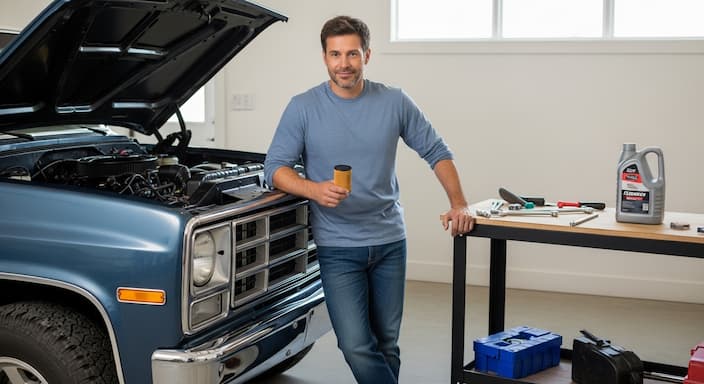
Let me ask you a question that sounds a little stupid at first. When’s the best time to fix a small drip of oil from your engine? Is it A) when you first notice a few drops on the driveway, or B) when your engine seizes up on the interstate because it ran dry, leaving you with a four figure tow bill and a repair quote that looks like a down payment on a new truck?
The answer is so obvious it hurts. But a lot of us, myself included in my younger and dumber days, choose option B. Not on purpose, of course. We just “put it off.” We ignore the weird noise, postpone the oil change for another thousand miles, figure that warning light is probably nothing. We treat our cars, trucks, and bikes like magic boxes that should just run forever. Until they don’t.
Here’s the straight talk, no manual required: preventive maintenance isn’t about being a fussy neat freak. It’s about being a cheap, smart bastard. It’s the difference between spending a little money on schedule and getting absolutely railroaded by a surprise repair that could have been avoided. Think of it as paying for an oil change today so you don’t have to buy a new engine tomorrow. Let’s break down why a few bucks and a Saturday morning in the driveway is the best money you’ll ever spend on your ride.
The Domino Effect of Neglect
Nothing on a vehicle fails in isolation. It’s all connected. A simple, cheap part failing can take out an expensive, complex one faster than you can say “check engine light.” This is the core of the argument.
Let’s take a classic example, the humble coolant change. You’re supposed to swap it out every few years. It costs maybe fifty bucks in parts and an hour of your time. But you skip it. Over years, that coolant becomes acidic. It starts eating away at your radiator from the inside. Then it gunks up the small passages in your heater core. Now you’ve got no heat in the winter. But the real killer? That acidic, old coolant is also quietly corroding the inside of your aluminum cylinder heads and eating the seals on your water pump.
So one day, a weakened seal lets go. You lose coolant, the engine overheats catastrophically, and you warp the cylinder heads. Suddenly, that fifty dollar service has turned into a fifteen hundred dollar repair for a new radiator, water pump, head gaskets, and machine shop work. One skipped item kicked over a whole line of dominos. Preventive maintenance is just you stopping that first domino from ever tipping.
It’s Not Just Parts, It’s Labor (And Your Sanity)
People always think about the cost of the part. A new serpentine belt is thirty bucks. A thermostat is twenty. Big deal. But the real killer is the labor to install it, especially if you’re paying a shop.
Here’s the beautiful thing about doing maintenance on schedule. The labor is often minimal because everything is designed to come apart easily. The belt is right there, the oil drain plug is accessible, the air filter housing clips open. But when you wait for a failure, you’re often dealing with a part that has welded itself in place with rust, gunk, and heat cycles. What was a 30 minute job for a fresh part becomes a 3 hour nightmare of broken bolts, rounded fittings, and a vocabulary that would make a sailor blush.
If you pay a mechanic, you’re paying for those extra hours of struggle. If you do it yourself, you’re sacrificing a whole weekend and your good mood. Replacing a worn but still intact part is a clean, simple job. Replacing a broken, seized part is a battle. Maintenance saves you money on labor and saves your sanity.
The Resale Value Multiplier
Maybe you’re not planning to sell your truck ever. You’ll drive it until the wheels fall off. Fine. But for everyone else, listen up. A well maintained vehicle is worth significantly more money when it comes time to sell or trade in. And I’m not talking about a fresh coat of wax.
A savvy buyer, or a dealership appraiser, will look for one thing above all else: a paper trail. A stack of receipts, a logbook in the glovebox, a service history that shows regular oil changes, fluid flushes, timing belt replacements, the works. That stack of papers is pure gold. It tells the next guy this machine wasn’t abused. It was cared for.
You can easily add thousands to the selling price of a vehicle with a proven maintenance history. Conversely, a truck with no records is a giant question mark. Buyers will assume the worst and knock money off the price, or just walk away. The few hundred bucks you spent on filters and fluids over the years comes back to you tenfold at sale time. It’s an investment that pays a direct return.
What Actually Matters (And What’s Just Upsell)
A Quick, No-Nonsense Guide
I know what you’re thinking. “The quick-lube place tries to sell me a new air filter every time I blink. What’s real and what’s a scam?” Fair point. Here’s the short list of the big ones that actually save you money, straight from the garage.
Oil and filter changes are non-negotiable. This is the lifeblood of your engine. Follow the severe service schedule in your manual, especially if you do short trips or tow. Fresh, clean oil is cheap. A new engine is not. Transmission fluid and filter changes are critical for automatics. This isn’t a “lifetime” fluid, no matter what the dealer says. Heat kills it. Changing it prevents the gears from slipping and the whole unit from turning into a metal salad.
Coolant flushes matter, as we talked about. It prevents corrosion and overheating. Brake fluid absorbs water from the air over time, which leads to spongy pedals and corroded brake lines. Flushing it every few years keeps your stopping power sharp. Timing belts are the silent assassins. If your engine has an interference design and the belt snaps, the valves and pistons have a meeting they shouldn’t. Replacing the belt and water pump on schedule is way cheaper than rebuilding the top end of your engine.
The stuff you can usually skip? Fuel injector cleaning services if your car runs fine. “Engine flushes” that they pour into your oil. Fancy cabin air filters unless you have serious allergies. Stick to the manufacturer’s recommended schedule for the big stuff, and you’ll be ahead of 95% of people on the road.
It’s About Pride, Too
Let’s get a little philosophical for a second. There’s a pride in taking care of your things. It’s the same reason you clean your BBQ grill so it doesn’t rust out, or you oil your favorite leather boots. A vehicle that runs smoothly, starts every time, and doesn’t rattle or smoke is a testament to a little bit of effort.
That reliability is freedom. It’s the confidence to take a road trip without wondering if you’ll make it. It’s not having to call your buddy for a jump start on a cold morning. It’s knowing your machine inside and out, because you’re the one who looks after it. That feeling, that independence, is worth more than any dollar amount. It means you’re not at the mercy of some mechanic’s schedule or a huge unexpected bill. You’re in control.
Wrapping It Up
Preventive maintenance is the ultimate “pay a little now, save a lot later” scheme. It stops small problems from becoming financial disasters. It makes every repair job easier and cheaper. It puts cash back in your pocket when you sell. And maybe most importantly, it gives you peace of mind.
So this weekend, don’t just stare at your truck and think it looks fine. Crack open the owner’s manual. See what’s due. Maybe it’s just an oil change and a tire rotation. Do it. Future You will be sitting pretty, with a full wallet and a reliable ride, probably on your way to grab a beer… while some other guy is on the side of the road waiting for a tow truck. The choice is pretty simple.