


Let’s be honest. You’ve stood in front of a cooler packed with more IPAs than a college kid has ramen noodles. Bright labels. Crazy names. Haze for days. You grab a four-pack because the can art looks like a psychedelic tiger fighting a robot. You crack it open, take a sip, and think… “This is fine. But where’s the bite?”
Look, I love IPAs. Always have. But somewhere along the line, the beer world decided every IPA was just a race to see who could make you feel like you licked a pine tree covered in grapefruit juice. That’s not beer. That’s a dare.
The truth is simple: not all IPAs are created equal. And if you’ve been burned by a few overly bitter or straight-up weird batches, you’re not wrong. You just haven’t learned the secret handshake. So grab a cold one (something good, not that sad light beer from your cousin’s fridge) and let’s break down why some IPAs taste like heaven and others taste like regret.
The Bitter Truth About IPA History
Back in the day, the Brits weren’t trying to win a flavor contest. They were trying to keep beer from spoiling on slow boats to India. So they loaded it with hops. Hops act like a natural preservative. That’s it. No secret recipe. No artisanal mission. Just practical, no-BS thinking.
Fast forward to the American craft beer boom. We took that idea and ran straight off a cliff with it. Suddenly, everything had to be “double,” “imperial,” or “triple dry-hopped.” Bitterness measured in IBUs became a dick-measuring contest. And we all suffered through beers that tasted like chewing aspirin.
But here’s where it gets interesting. The new wave of IPAs isn’t about brute force. It’s about balance. Flavor without the flinch. That’s the real art.
West Coast vs. New England: The Two Kings
You’ve heard these names thrown around. Let me translate.
West Coast IPAs: The OG Bruiser
Clear. Golden. Piney. Resiny. Bitter on the finish like a cop who just saw your taillight flicker. These are the IPAs that built the craft beer movement in the 90s and 2000s. Think Stone, Lagunitas, Russian River. They hit your palate hard and don’t apologize.
If you want to taste a real West Coast IPA done right, look for something that smells like a forest fire after a rainstorm. That’s the good stuff. But here’s the catch… a bad West Coast IPA just tastes like hop water and regret. No malt backbone. No balance. Just bitterness for the sake of it.
New England IPAs: The Hazy Crush
Then the East Coast flipped the script. Hazy. Juicy. Low bitterness. Smells like you just dropped a glass of orange juice and pineapple puree on the floor. New England IPAs (or “hazies”) exploded because they were actually… enjoyable to drink.
No one wants to admit it, but the first time you had a Tree House or a Heady Topper, you felt like you’d been lied to your whole beer-drinking life. This is what an IPA could be? Smooth. Creamy. Dangerous because you crush three before you realize they’re 7.5% ABV.
The problem? Every hack brewery started dumping raw flour and oats into their mash to fake that haze. You end up with a beer that looks like a milkshake but drinks like a wet sock. Not all hazies are good. Not by a long shot.
The IBU Trap and Why You Should Ignore It
IBU stands for International Bitterness Units. For years, breweries slapped huge IBU numbers on labels like a badge of honor. 80 IBUs. 100 IBUs. Like they were bragging about their truck’s torque.
Here’s the thing the big guys don’t tell you. Your tongue can barely taste past 70 or 80 IBUs anyway. And malt sweetness can hide a lot of that bitterness. So that 95 IBU beer you’re afraid of? It might drink smoother than a 45 IBU beer if the brewer knew what he was doing.
Moral of the story? Stop chasing numbers. Chase flavor. If a beer tastes good, who cares what the lab report says?
Freshness Is Everything. No, Seriously.
I can’t say this loud enough. IPAs are not whiskey. They don’t get better with age. That six-month-old four-pack collecting dust on the bottom shelf? It’s going to taste like cardboard steeped in wet leaves.
Hops degrade fast. The bright citrus and pine flavors fade within 90 days. After that, you’re left with stale malt and a weird metallic finish. So check those canning dates. If you don’t see one, put the beer back and walk away.
A fresh IPA from a local brewery that actually moves inventory will almost always beat a famous national brand that’s been sitting on a truck for three weeks. Support your local spot. Your taste buds will thank you.
Hops Varieties: The Real Flavor Difference
If you want to sound smart at the BBQ without being that guy, learn a few hop names. Not all hops are the same. Some are spicy and earthy (Noble hops like Saaz). Some are straight-up fruit bombs (Citra, Mosaic, Galaxy).
A Citra-heavy IPA tastes like mango and passionfruit. A Simcoe-heavy IPA brings pine and dank catty notes (in a good way, trust me). And old-school varieties like Cascade give you that classic grapefruit rind bite.
The best IPAs layer these hops. They hit you with aroma first, then flavor, then a clean finish that doesn’t punish you. When a brewer nails that combo… man, that’s poetry in a pint glass.
Cold IPA and Brut IPA: The New Kids
Just when you thought you had it figured out, here come the curveballs. Cold IPAs are fermented at lager temperatures with ale yeast. You get the hop punch of an IPA but the crisp, clean finish of a lager. It’s weird. It works. Try one if you see it.
Brut IPAs are the champagne of the beer world. Bone dry. Light body. High carbonation. No sweetness at all. Some people love them. Some people think they’re a gimmick. I say drink what you like and let the nerds argue.
How to Pick the Right IPA for You
So you’re standing at the taproom or the local bottle shop. Twenty handles. Thirty different cans. What do you do?
- If you want bright, juicy, and easy drinking: Grab a New England IPA. Look for words like “hazy” or “juicy” on the label.
- If you want a classic bitter bite with pine and resin: Go West Coast. Clear beer, higher IBUs, crisp finish.
- If you want something clean and weird but good: Try a Cold IPA or a Brut IPA.
- If you see a date stamp older than 60 days: Put it down. Walk away slowly.
And for God’s sake, don’t be the guy who only drinks one brand because you had a bad IPA in 2014. That’s like swearing off burgers because you ate a bad one at a gas station. The beer world moves fast. Give it another shot.
The Final Pour
Look, not all IPAs are created equal. That’s not a hot take. That’s just facts. The difference comes down to hops, freshness, brewing technique, and what kind of experience you’re actually after. A great IPA is balanced. It doesn’t beat you over the head with bitterness or hide behind a hazy mess of under-attenuated malt. It just tastes right.
So next time you’re staring down a wall of colorful cans, remember this little chat. Check the date. Know your hops. Don’t be afraid of bitter, but don’t worship it either. And if someone tries to tell you that their favorite IPA is objectively the best… buy them a round and smile. Then order what you actually want.
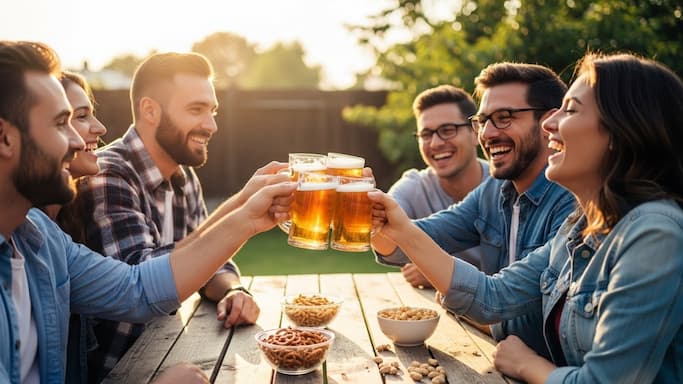
Because the best IPA in the world isn’t the one with the highest rating or the coolest label. It’s the one in your hand, on a hot Saturday, with good people around you and smoke coming off the grill. Everything else is just noise.