


Alright, let’s cut through the noise. Every year, the craft beer world gets flooded with predictions and “trends.” You hear about pickle beer, glitter beer, beer brewed with moon dust… okay, maybe not that last one, but you get the point. It’s a circus. Most of it is just brewers having fun, trying to get a headline, or seeing what weird thing they can throw into a fermenter. And that’s fine. Experimentation is cool. But for us, the guys who just want a great beer at the end of a long day or something solid to share with friends, most of those trends don’t matter. They’re fireworks. Bright, loud, and gone in an instant.
What matters are the shifts that actually change what’s on the shelf at your local bottle shop or on tap at your favorite bar. The trends that reflect what we, the drinkers, are really asking for. Not the gimmicks, but the movements. This year, more than ever, the craft beer scene is getting back to basics, but with a smarter, more refined twist. It’s less about shocking your palate and more about rewarding it. Let’s talk about what’s actually moving the needle.
The Rise of the “Drinkable” Beer (Again)
Remember the arms race for bitterness? The fight to see who could make the hoppiest, most face-meltingly bitter IPA that tasted like a pine tree fell into a grapefruit juicer? Yeah, that’s over. The pendulum has swung hard, and it’s a beautiful thing. The trend that matters most right now is the full blown embrace of balance and sessionability. Drinkers are voting with their wallets, and they’re saying, “I want flavor, but I also want to have three of these while watching the game and not feel like my tongue needs a medical detox.”
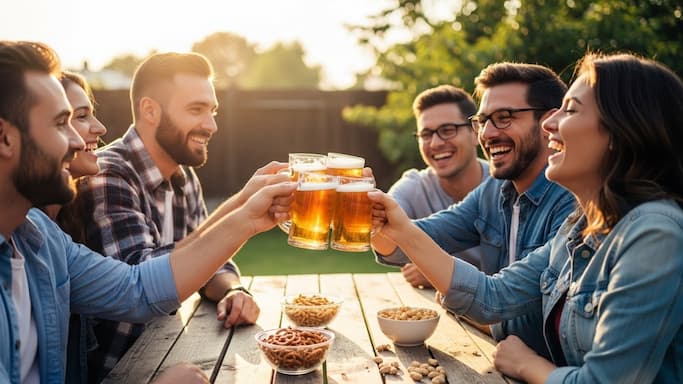
This doesn’t mean boring beer. It means expertly crafted lagers are having a massive moment. Crisp pilsners, smooth helles, toasty Vienna lagers… these are beers that require incredible skill to make well. There’s nowhere to hide flaws. A great lager is a sign of a confident, talented brewer. You’re also seeing it in the explosion of “session” IPAs and pale ales that focus on hop flavor and aroma over brutal bitterness. Think tropical, citrusy, maybe a little juicy, but with a clean, refreshing finish that makes you reach for another. This trend matters because it’s about quality of life. It’s beer you can actually enjoy in volume, with friends, over a longer period. It’s a return to beer as a social lubricant, not a dare.
The Local Taproom is the New Corner Bar
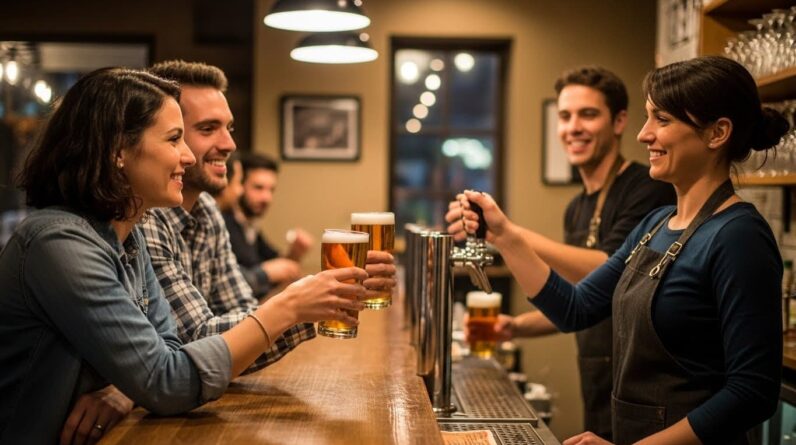
Here’s a trend that’s less about the beer itself and more about where you drink it, but it massively affects what gets brewed. The big, shiny destination breweries are still around, but the real heart of the movement is the hyper local neighborhood taproom. These are small, often unassuming spots that serve as the living room for their community. They might have six taps, four of which are their own beers, and a couple guest taps from other small local guys.
Why does this matter? Because these places survive on regularity, not tourism. They have to brew what their regulars want to drink every Thursday night. This forces a focus on consistent, well made core beers. You’ll see a reliable pale ale, a solid porter, maybe a rotating IPA, and a non alcoholic option. They’re not chasing unicorn releases. They’re building a neighborhood staple. This trend is pushing the industry toward stability and local connection. It’s where you go to watch the game, meet a buddy after work, or just get out of the house. Supporting these spots means supporting a more resilient, community focused beer culture, and that’s a trend worth drinking to.
Flavor Without the Fireworks: The “Spotted Cow” Effect
For years, the hype train was all about extreme flavors. Triple IPAs, pastry stouts that tasted like liquid birthday cake, sour beers that could strip paint. Again, fun for a one ounce pour at a festival, but not what you crave. The trend that’s quietly winning is what I call the “Spotted Cow Effect,” named after the legendary, easy drinking Wisconsin ale. It’s the appreciation for beers that are simply, deliciously flavorful without being a spectacle.
You see this in the renewed love for classic English style milds and bitters, beers with a gentle malt character and low alcohol. You see it in the perfecting of the American wheat ale, or the cream ale. These are “porch beers.” Beers for grilling. Beers for conversation. They have nuance and character, but they don’t demand your full attention or dominate your palate. Brewers are getting creative within these subtle styles, using interesting yeast strains or local ingredients to add a unique twist, but the foundation is always approachability. This trend matters because it respects the beer as part of an experience, not the entire experience. It’s a sign of a maturing market where drinkers have the confidence to choose flavorful subtlety over an aggressive flavor punch.
The Non Alcoholic Revolution is For Real
Okay, hear me out before you tune out. I’m not telling you to stop drinking. But the non alcoholic craft beer category has gone from a sad joke to a legitimately impressive segment, and it’s a trend that matters for one simple reason: choice. Maybe you’re driving. Maybe you’re doing a dry month. Maybe you just want to hang out at the BBQ without getting foggy. For years, your only option was O’Doul’s, which tastes like regret in a bottle.
Now, serious craft brewers are applying their skill to NA beer. They’re using real brewing processes and often making beers that actually taste like their alcoholic counterparts… a hoppy IPA, a roasty stout, a crisp lager. The technology and care have improved dramatically. This matters because it means the beer community is becoming more inclusive. It means the guy who’s designated driver doesn’t have to sip a soda while everyone else enjoys a craft brew. It acknowledges that sometimes you want the ritual and the taste without the effects. A good NA option on a menu is no longer a weird footnote, it’s a sign of a thoughtful brewery. You don’t have to drink it, but its existence and improving quality is a positive trend for everyone.
The Bottom Line: Quality Over Quirk
So what ties all this together? A collective deep breath. The craft beer scene is growing up. The trends that matter this year are the ones that emphasize skill over shock, consistency over craziness, and community over clout. It’s about brewers perfecting the classics and drinkers appreciating them. It’s about having a local waterhole you can rely on. It’s about flavor that complements your life rather than complicating it.
This doesn’t mean innovation is dead. It just means the innovation is smarter. It’s a hazy IPA that’s actually balanced. It’s a pilsner brewed with a local heritage grain. It’s a non alcoholic beer that doesn’t taste like malted water. The gimmicks will always come and go. Let the Instagram influencers chase those. For the rest of us, the real trend is this: better beer, served in better places, meant for better times with your people. And that’s a trend worth ordering another round for.