



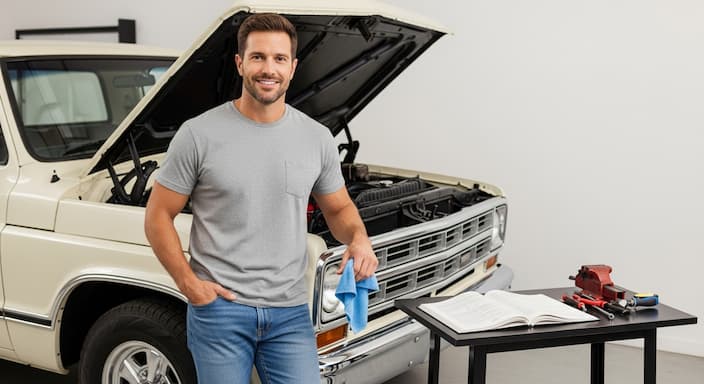
Hey fellas. Grab a cold one and pull up a stool. We need to talk about something that ain’t as fun as picking out a new exhaust but matters a whole lot more. Keeping your ride reliable. I don’t mean just slapping a new air filter in every now and then. I’m talking about turning your truck, your car, your bike into that old, trusted friend you never have to worry about. The one that fires up every single morning, rain or shine, and gets you where you need to go without throwing a fit. In a world full of overpriced mechanics and computers telling you a tire is low, being a guy who knows his machine is a superpower. Let’s get that power back.
The Owner’s Manual Is Not a Doorstop
I know, I know. You bought the thing to drive it, not to read a novel about it. But that little book in your glovebox? That’s the cheat code. The engineers who built your engine literally wrote down exactly what it needs and when it needs it. And we ignore it. We listen to some guy named Dave at the parts store instead. Stop that. The first step to true reliability isn’t in your garage, it’s in your passenger seat. Crack that manual open. Find the maintenance schedule. It will tell you the real interval for changing your transmission fluid, your coolant, your differential oil. It’s not a suggestion. It’s the law of the land for your specific vehicle. Following that book is the difference between a truck that lasts 200,000 miles and one that’s clunking into the scrap yard at 120,000. Be smarter than Dave.
Oil Is Blood. Treat It That Way.
If the engine is the heart, oil is the blood. And you wouldn’t put cheap, old blood in your body, right? This is the most basic, most critical thing you can do. But there’s more to it than just changing it.
The Right Stuff at the Right Time
Your manual says 5W-30 synthetic? Use 5W-30 synthetic. Don’t get cute because something else is on sale. And for the love of all that is good, stop believing the old myth about changing oil every 3,000 miles. Modern synthetics and modern engines go much longer. Check your manual. It might say 7,500, even 10,000 miles. But here’s the Chris James rule: if you do a lot of short trips, idling, or towing heavy loads, cut that interval in half. Severe service kills oil. Change it early. A $50 oil change is the cheapest insurance policy you will ever buy.
The Filter Matters Too
Don’t pair a premium synthetic oil with a two dollar filter from a cardboard display. The filter is what cleans the blood. A good filter has better media to catch smaller particles and a better anti drain back valve to keep oil up in the engine when it’s off. Stick with a quality brand. It’s a few extra bucks for a lot of extra peace of mind.
Listen to the Whispers (So You Don’t Hear the Screams)
Your machine talks to you. A reliable driver is a guy who listens to the whispers, the little grumbles and clicks, before they turn into catastrophic bangs and wallet emptying silences.
The Ear Test
Once a week, when the engine is cold, pop the hood and start it up. Just listen. Know what normal sounds like. A new tick, a new whine, a new rattle… that’s your ride asking for help. A squeal when you first start it might be a simple serpentine belt. Let it go, and when it snaps, you lose your alternator, power steering, and water pump all at once on the highway. Listen.
The Nose Test
Smell something sweet with the heat on? That’s coolant leaking into your heater core. Burning oil smell? Could be a leak onto the exhaust. Sharp smell of gas? Don’t even turn the radio up, that’s a stop everything and find it situation. Your nose is a diagnostic tool. Use it.
Stop Ignoring the Check Engine Light
I get it. That little orange engine shaped light comes on and we all have the same thought. “Ah, it’s probably nothing.” Maybe. But it’s a cry for help from the computer that runs your engine. Driving for months with that light on is like having a fever of 103 and saying you’ll see a doctor next year. For twenty bucks, you can go to any parts store and they’ll plug in a scanner and tell you the code. Write it down. Google it. Often, it’s something simple like a loose gas cap or a failing oxygen sensor. Fix the small, cheap problem now. Ignore it, and you can cook a very expensive catalytic converter. That light is not your enemy. It’s your snitch. Let it snitch.
The Five Minute Weekly Walk Around
This is non negotiable. When you’re gassing up, take five minutes. Look at your tires. Kick them if you want to look tough. Check the pressure with a real gauge, not the one at the air pump. Look for nails, for uneven wear. Crouch down and look under the car. See any new drips? Green, red, or black? Green is usually coolant, red is transmission or power steering, black is oil. A few drops is one thing. A puddle is another. Look at your brake pads through the wheels. Plenty of material left? This five minute habit will save you from at least 90 percent of roadside surprises.
Batteries and Terminals: The Silent Killer
Nothing says “unreliable” like a dead click when you turn the key. Batteries don’t last forever. If yours is over four years old, start thinking about its replacement before winter hits. But just as important are the terminals. Pop the hood and look at them. Are they covered in that nasty blue white corrosion? That’s resistance. That’s your truck struggling to get the juice it needs. A little baking soda, water, and a wire brush cleans that right up. Clean, tight connections are free horsepower for your starter.
Fluids: The Other Lifelines
We talked about oil. But your ride has other fluids that hate being ignored.
Coolant: It’s Not Just Water
This stuff does three jobs: cools, prevents freezing, and prevents corrosion inside your engine. Over time, it gets acidic and eats away at seals and gaskets. Change it on the schedule in the manual. And use the right type. Mixing the green stuff with the orange stuff can turn into a gelatinous nightmare in your cooling system. Check your manual.
Brake Fluid: The Thirsty One
Brake fluid absorbs water from the air. Water in your brake lines lowers the boiling point and causes internal rust. Ever have a brake pedal feel soft or spongy? That’s often old, water logged fluid. Flushing it every two or three years is cheap insurance that when you stomp on that pedal, it stops. Period.
The Final Word on Reliability
Look, all this stuff might sound like a chore. But it’s not. It’s the opposite. It’s freedom. It’s the confidence to point your rig down a backroad without a worry. It’s the smug satisfaction of hearing a buddy complain about his huge repair bill while you’re just changing your oil. Reliability isn’t an accident. It’s a choice. It’s choosing to pay a little in time and attention now so you don’t pay a fortune in panic and frustration later. Your vehicle is a tool, a toy, and a partner. Treat it with a little respect, follow the simple rules, and it’ll be there for you for the long haul. Now go check your tire pressure. I’ll wait.